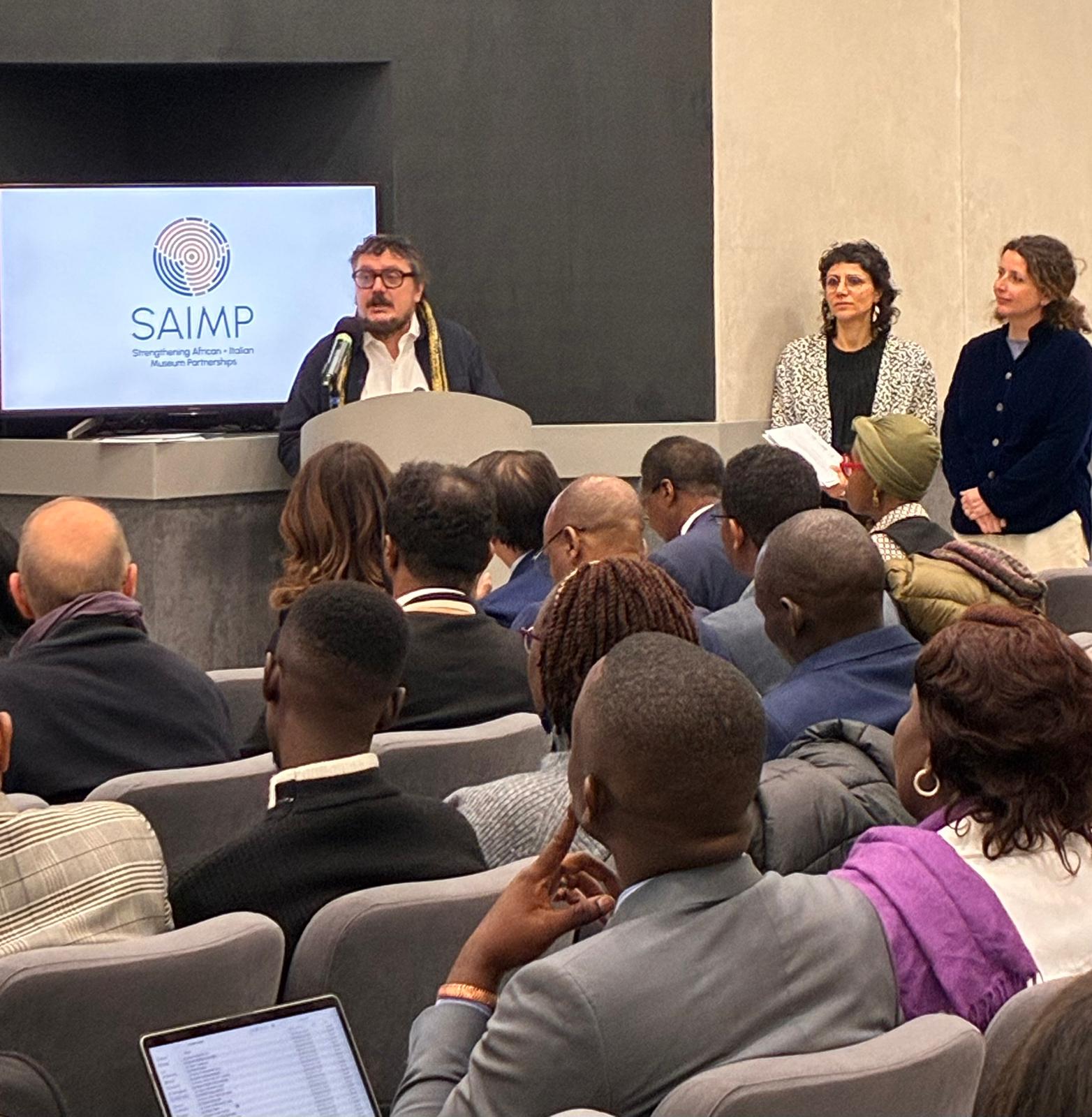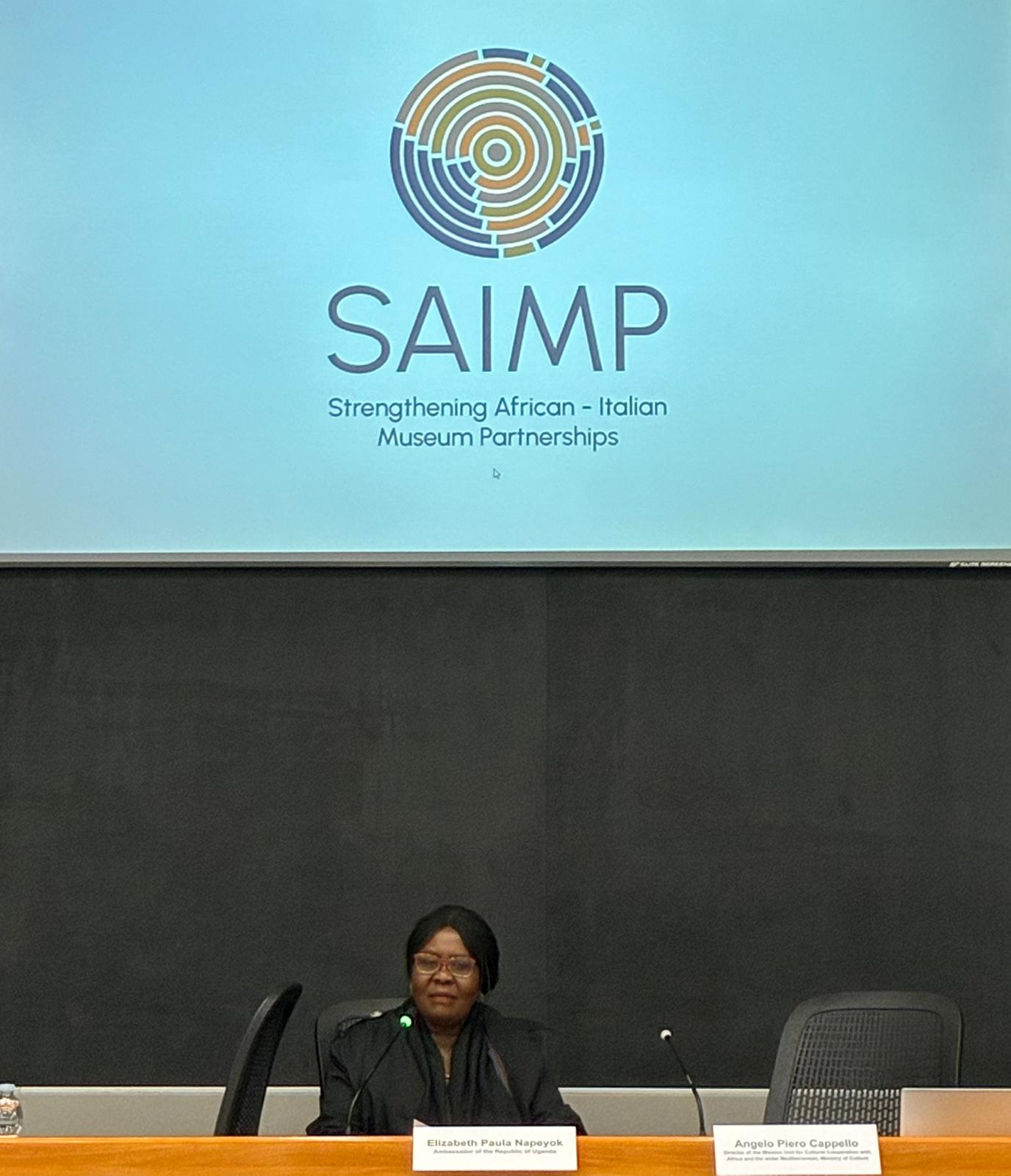
Strengthening cultural cooperation between Africa and Italy, promoting new forms of shared research, and making heritage more accessible and inclusive—particularly within the socio-economic fabric of the communities from which it originates—are the objectives of “Strengthening African–Italian Museum Partnerships – SAIMP,” an initiative funded by the Italian Ministry of Foreign Affairs and International Cooperation through the Italian Agency for Development Cooperation (AICS). The project builds on collaborations between museums in Eastern and Central Africa and Italian institutions whose collections include artifacts of shared origin and value.
SAIMP stems from the dialogue launched between African and European museum directors, which led to a joint declaration during the Dakar meeting in April 2023 aimed at strengthening cooperation in the documentation, research, and enhancement of museum collections. From this foundation, an initiative was developed involving a partnership of leading Italian institutions holding ethnographic and artistic collections of African origin, with the goal of creating a structured network with four major public museums in Eastern and Central Africa: Uganda Museum (Kampala), Ethnological Museum of Addis Ababa University, National Museum of Ethiopia, and Musée National de Lubumbashi. The Italian Cooperation initiative is closely linked to the European project “Strengthening African–European Museum Partnership” which similarly focuses on the Sub-Saharan Africa region.
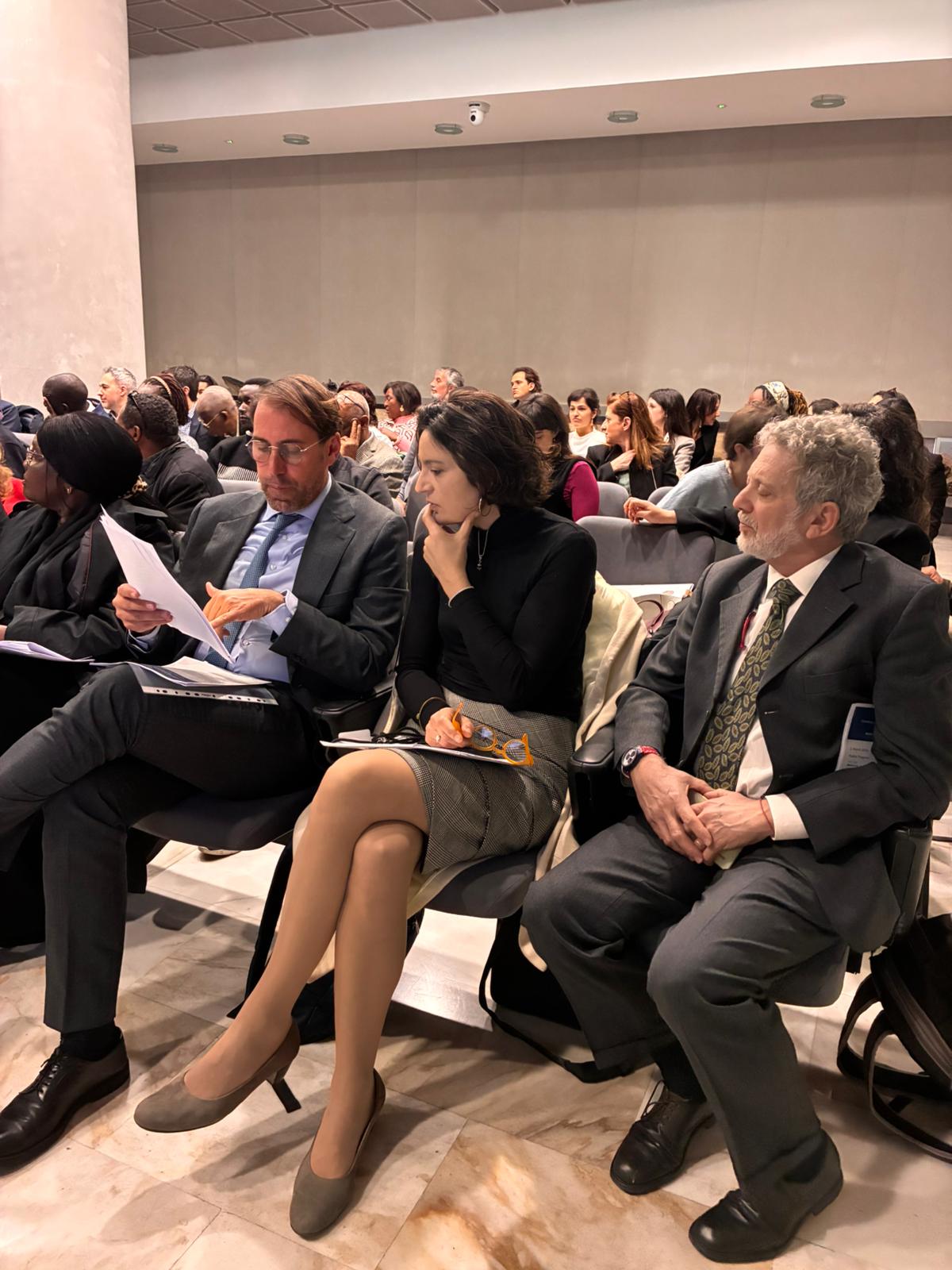
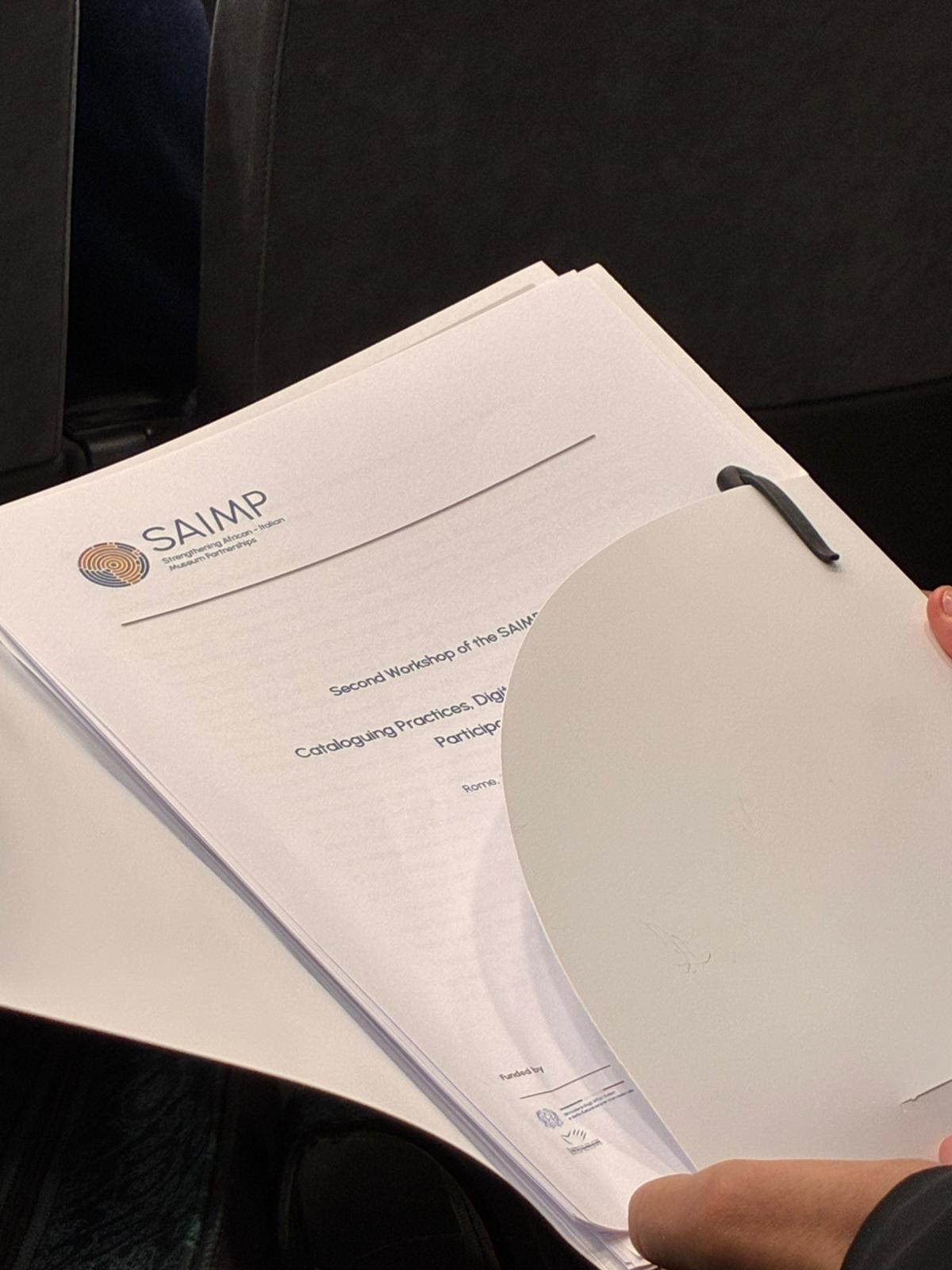
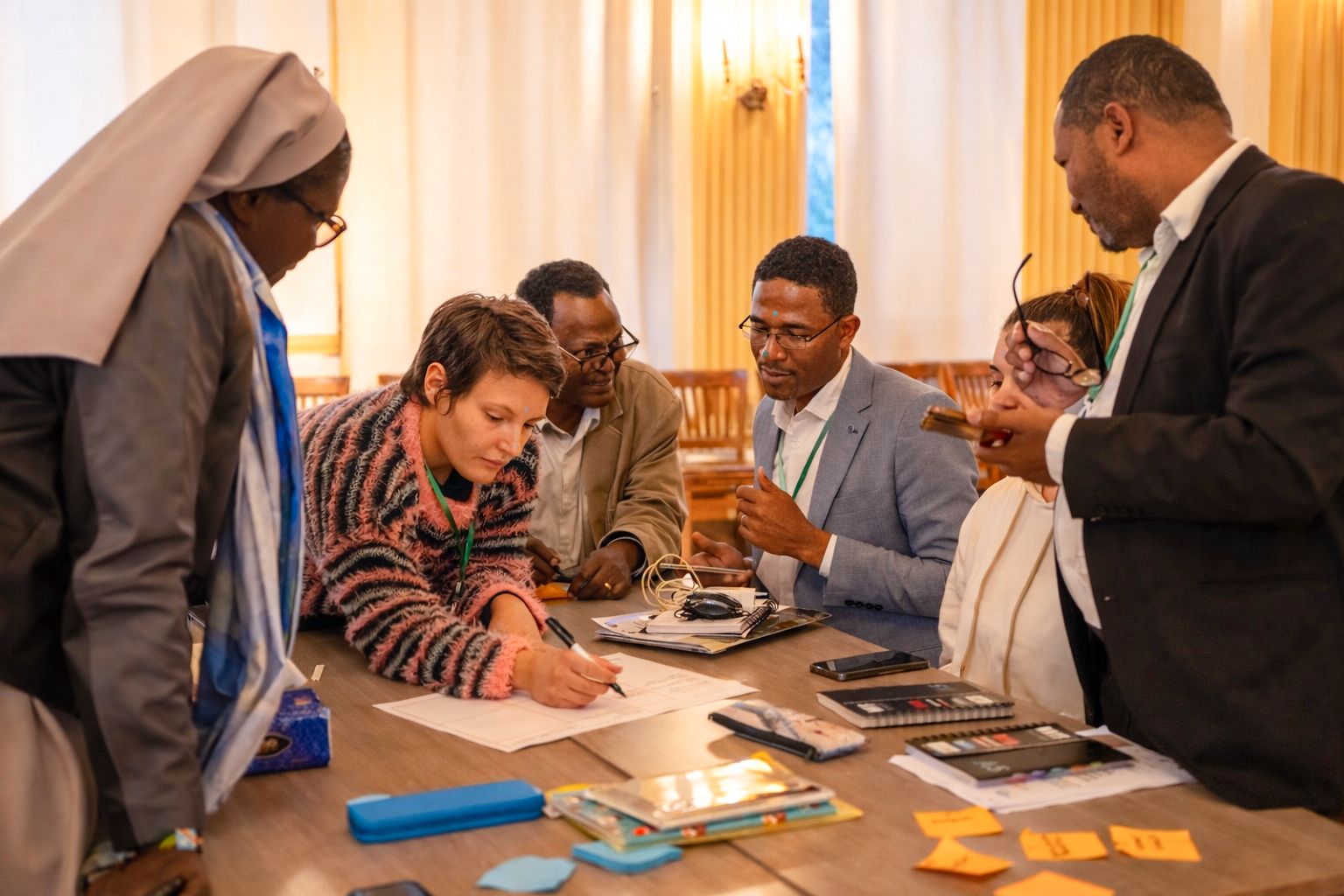
Following an initial workshop held in Addis Ababa in September 2025, activities now move to Italy with two meetings organized respectively by the Museo delle Civiltà (MUCIV) in Rome and the Centro Conservazione e Restauro La Venaria Reale. From 2 to 6 March in Rome, discussions will focus on “Cataloguing practices, digitization, provenance, and participatory research,” before moving to Turin from 8 to 14 March on the theme of “Restoration and conservation of ethnographic collections.”
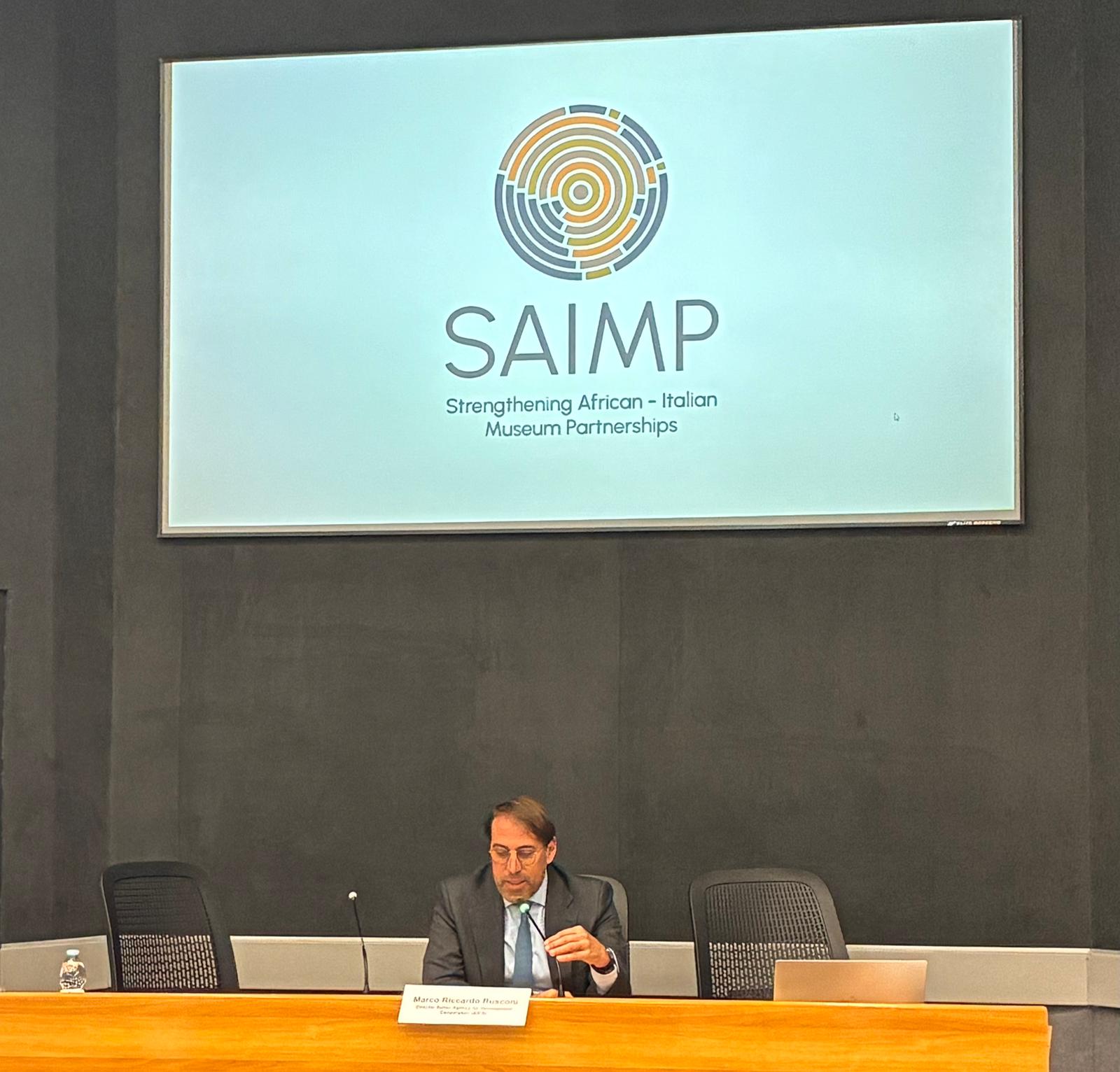
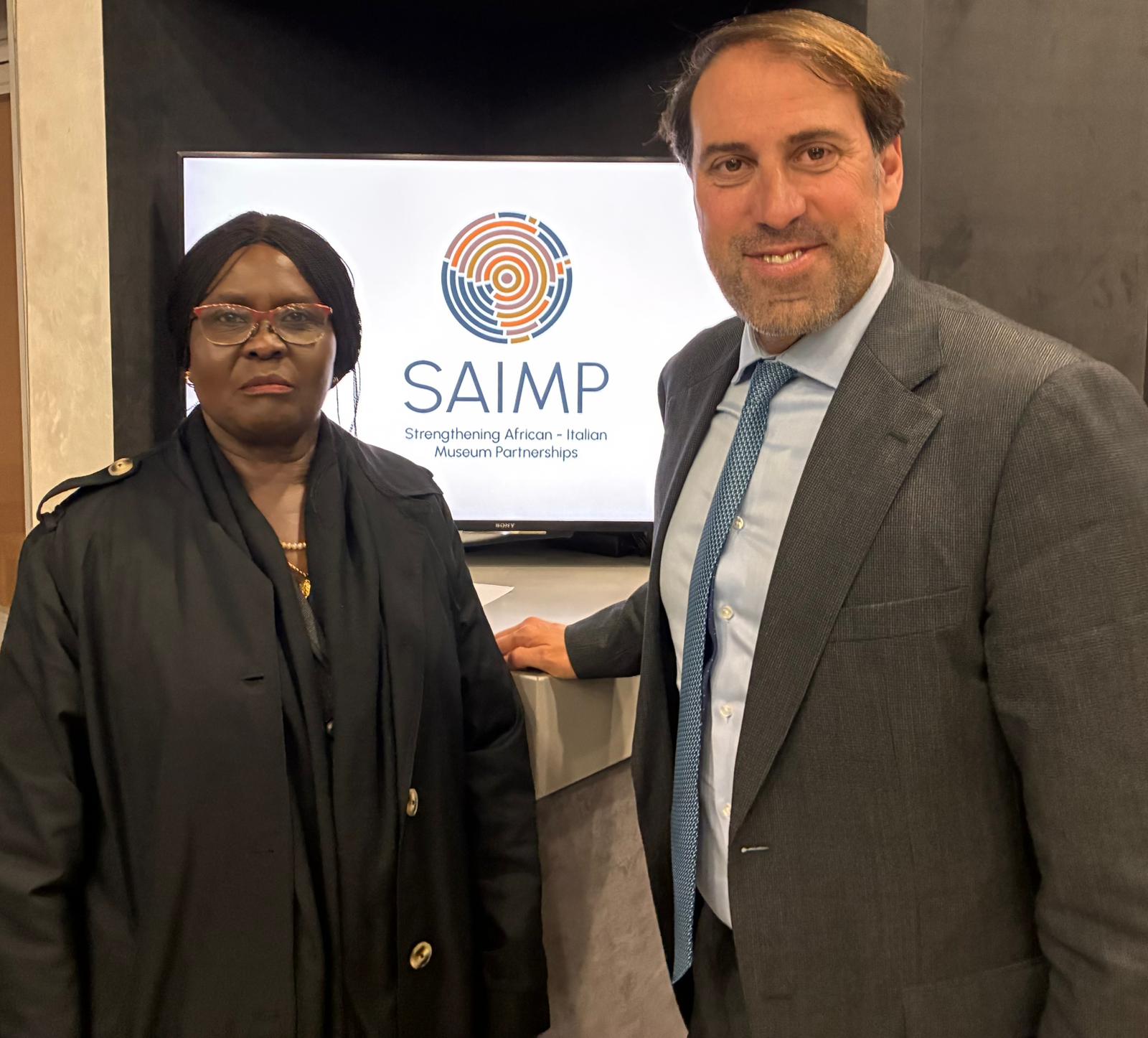
“This regional initiative, involving a wide range of African and Italian partners, is in line with the approach of the Piano Mattei, which places human development and equal partnership at its core, as well as with the strategic guidelines of Italian Cooperation, which identifies culture as a driver of sustainable economic and social development,” said AICS Director Marco Riccardo Rusconi presenting the project’s vision. “The joint work of African and Italian experts will produce a shared vision of cultural heritage capable of engaging contemporary audiences and making accessible the stories of a past that remains ever relevant.”
The methodological approach underpinning the project—also reflected in AICS’s “Culture and Person” Manual CI—serves as the foundation for a participatory process of research and enhancement of the shared cultural heritage of African and Italian museums. By recognizing and valuing cultural diversity and the plurality of value systems that shape collective memory, the initiative aims to create new narratives in which all stakeholders can see themselves reflected. Through continuous exchange and training activities, the development of a digital platform for sharing collections and catalogues, and the involvement of civil society—including artists, businesses, schools, and universities—museum heritage is set to enter a new phase of accessibility.
The project “Strengthening African–Italian Museum Partnerships” is funded by the Italian Ministry of Foreign Affairs and International Cooperation through the Italian Agency for Development Cooperation, implemented with the support of the European Union, and led by the Department of Culture, Politics and Society (CLE) of the University of Turin. Project partners include the Centro Conservazione e Restauro La Venaria Reale, the Ethnological Museum of Addis Ababa University, the Musée National de Lubumbashi, the Museo delle Civiltà, the National Museum of Ethiopia, the Uganda Museum, and the University of Milan. Other institutions involved include Addis Ababa University, the Ethiopian Heritage Authority, the Institute of Ethiopian Studies of Addis Ababa University, Makerere University, Musei Reali Torino, the Museo di Antropologia ed Etnografia dell’Università di Torino, and the Residenze Reali Sabaude