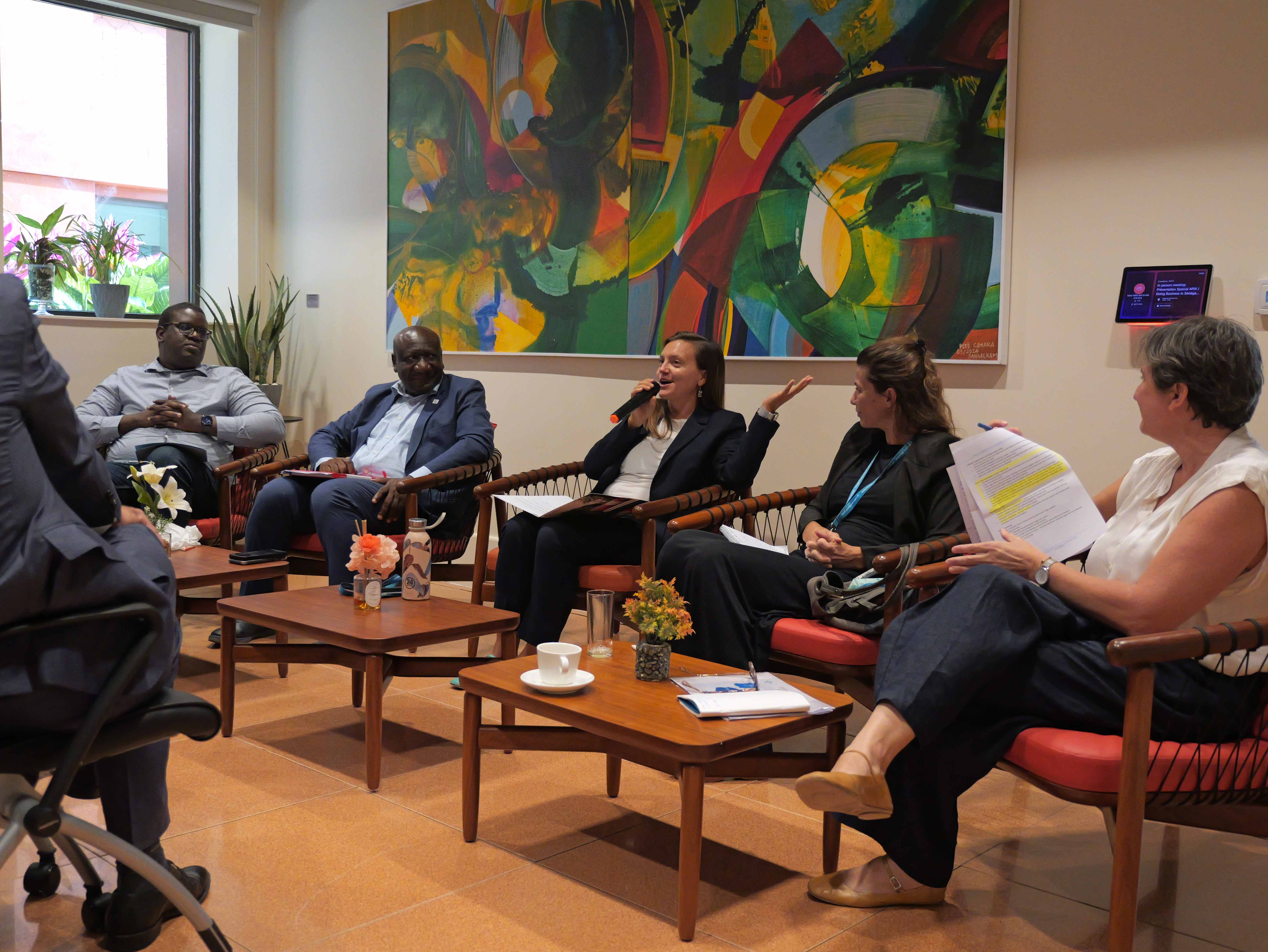
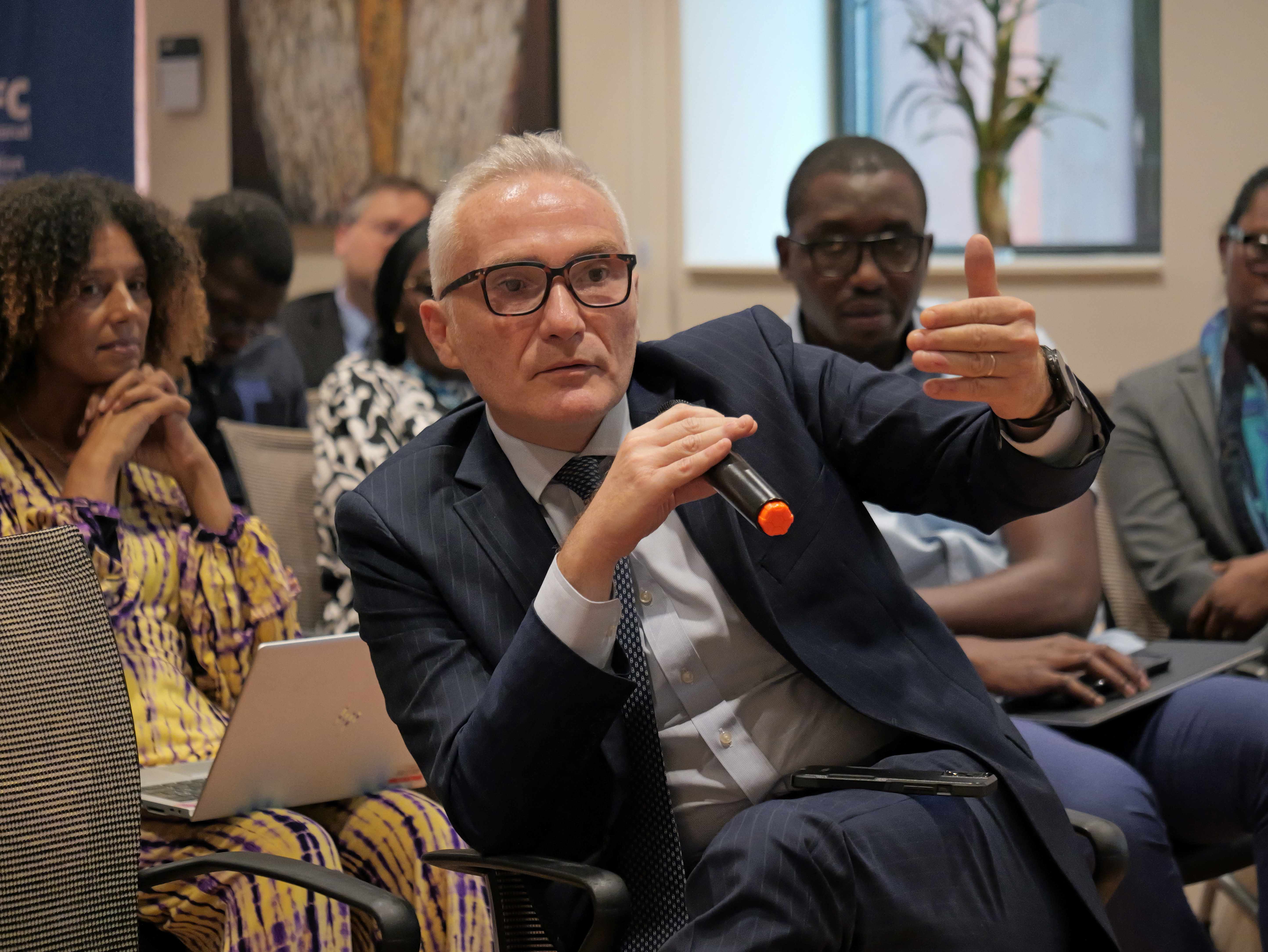
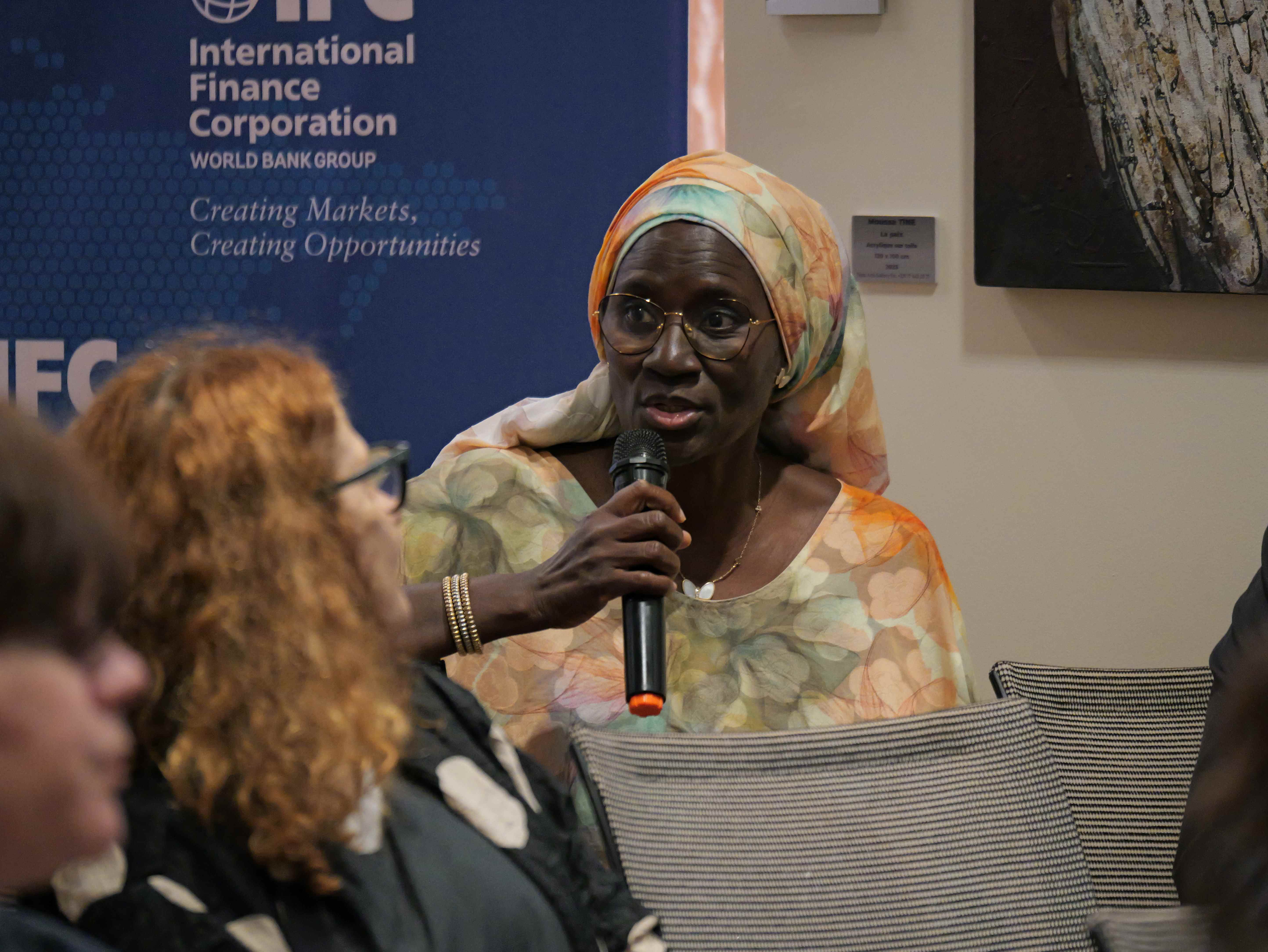
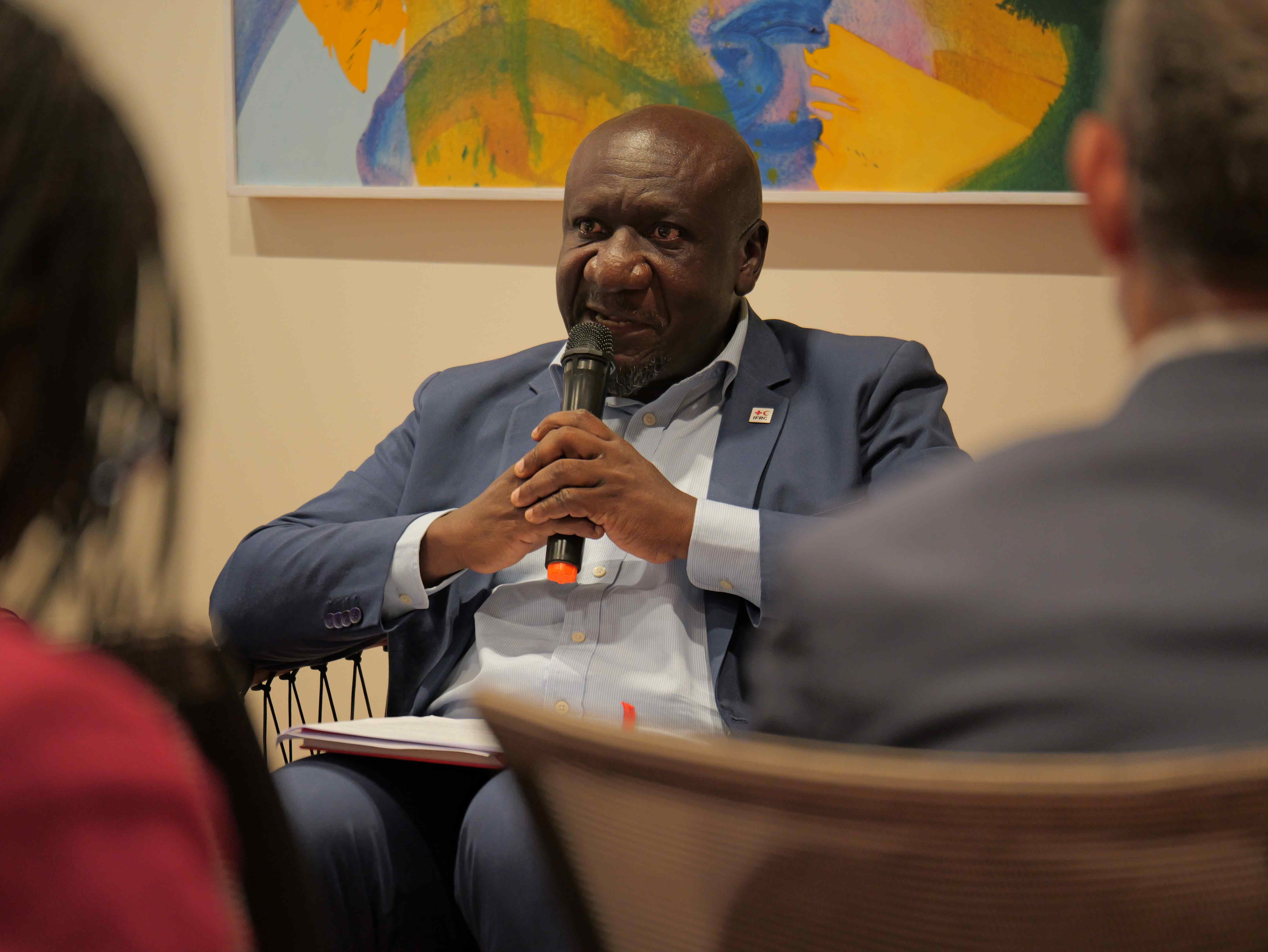
On 8 June 2026, the side event “A Dialogue on Anticipatory Action and Community Resilience: From Last Mile to Institutional Preparedness” was held in Dakar. Organized by the Italian Cooperation on the sidelines of the Global Facility for Disaster Reduction and Recovery (GFDRR) Partnership Council, the event brought together the Senegalese Red Cross, the International Federation of Red Cross and Red Crescent Societies (IFRC), the World Food Programme (WFP), and the United Nations Office for the Coordination of Humanitarian Affairs (OCHA). The discussion focused on how to move anticipatory action beyond the pilot-project stage and towards a stable, government-led system.
Participants highlighted that anticipatory action is most effective when the entire chain is integrated: from forecasting and information dissemination to political decision-making, financing, and the activation of concrete measures before an emergency escalates into a crisis. In this context, the RISE project, funded by the Italian Cooperation through AICS and implemented by National Red Cross Societies under the coordination of the IFRC, provided a practical example of work carried out with communities, early warning systems, and operational procedures aimed at disaster risk reduction.
A key message emerging from Dakar was the growing demand from partner countries—particularly representatives from Senegal, Gambia, and Mali—for stronger collaboration in this field. The focus is no longer solely on testing innovative tools, but on building sustainable and shared state capacities.
“When anticipatory action is integrated into institutional structures and supported by adequate financing, it becomes a practical tool for protecting lives, livelihoods, and community resilience in the face of increasingly frequent and complex crises,” said Niels B. Holm-Nielsen, Head of GFDRR at the World Bank Group.